Can L Shape Stainless Steel Tile Trim be bent to fit curved edges?
Hey there! As a supplier of L Shape Stainless Steel Tile Trim, I get this question a lot: "Can L shape stainless steel tile trim be bent to fit curved edges?" Well, let's dive right into it.
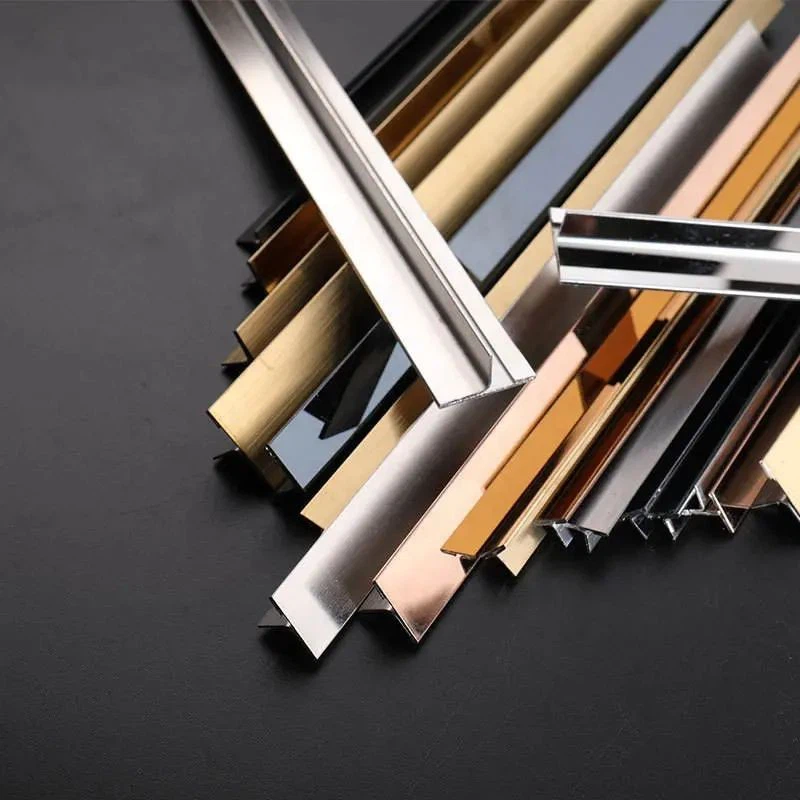
First off, let's talk about what L shape stainless steel tile trim is. It's a super handy product that's used to finish the edges of tiles. You know, those sharp edges that can be a bit of an eyesore and even a safety hazard? The L shape trim covers them up nicely, giving your tiled area a clean and professional look. It's made of stainless steel, which is known for its durability, corrosion resistance, and sleek appearance.
Now, back to the big question: can it be bent to fit curved edges? The short answer is yes, but there are some things you need to keep in mind.

Factors Affecting Bendability
Thickness of the Stainless Steel
The thickness of the stainless steel plays a huge role. Thinner stainless steel is generally more flexible and easier to bend. For example, if you have a trim that's 0.5mm thick, it'll be a lot easier to bend than one that's 2mm thick. But here's the thing, thinner trims might not be as sturdy. So, if you're planning to use the trim in a high - traffic area, you might want to go for a slightly thicker one, even if it's a bit harder to bend.
Grade of Stainless Steel
Different grades of stainless steel have different properties. Some grades are more malleable than others. For instance, 304 stainless steel is a popular choice for tile trims because it's relatively easy to work with and has good corrosion resistance. On the other hand, 316 stainless steel, which is often used in more corrosive environments like kitchens and bathrooms, is a bit tougher and might be a bit more challenging to bend.
Radius of the Curve
The radius of the curve you want to fit the trim to also matters. A larger radius curve is generally easier to bend the trim around compared to a tight curve. If you're dealing with a very tight curve, you might need to use some special tools or techniques to get the trim to fit properly.
Tools and Techniques for Bending
Manual Bending
For small projects or gentle curves, you can try manual bending. You'll need a pair of pliers and a steady hand. Start by marking the area where you want to bend the trim. Then, slowly and carefully start bending the trim using the pliers. Make sure to bend it gradually to avoid cracking or breaking the stainless steel.
Using a Bending Machine
If you're dealing with a larger project or more precise bends, a bending machine can be a great investment. There are different types of bending machines available, from simple handheld ones to more complex industrial - grade machines. A bending machine allows you to make more accurate bends and can handle thicker stainless steel trims.
Advantages of Bending L Shape Stainless Steel Tile Trim
Custom Fit
One of the biggest advantages of being able to bend the trim is that you can get a custom fit for your curved edges. This means that your tiled area will look more professional and polished. You won't have any gaps or uneven edges, which can really enhance the overall appearance of the space.
Cost - Effective
Instead of having to buy a custom - made curved trim, which can be quite expensive, you can simply bend the standard L shape trim to fit your needs. This can save you a significant amount of money, especially if you're working on a large project.
Disadvantages and Challenges
Risk of Damage
When bending the trim, there's always a risk of damaging the stainless steel. If you bend it too quickly or with too much force, you might end up cracking or breaking the trim. This can ruin the appearance of the trim and make it unusable.
Time - Consuming
Bending the trim, especially if you're doing it manually, can be a time - consuming process. You need to be patient and take your time to make sure the bend is smooth and accurate. If you're on a tight deadline, this might not be the best option for you.
Alternatives to Bending
If bending the L shape stainless steel tile trim seems too challenging, there are some alternatives you can consider.
U Shape Stainless Steel Tile Trim
U Shape Stainless Steel Tile Trim is another option. It's more flexible in some cases and can be easier to fit around curved edges. The U shape design provides a different look and can also offer good protection for the tile edges.
T Shape Stainless Steel Tile Trim
TShape Stainless Steel Tile Trim is also worth considering. It has its own unique properties and can be used in different applications. Depending on the project, a T shape trim might be a better fit for your curved edges.
Conclusion
So, in conclusion, L shape stainless steel tile trim can be bent to fit curved edges, but it's not always a straightforward process. You need to consider factors like the thickness and grade of the stainless steel, the radius of the curve, and the tools and techniques you'll use. There are advantages and disadvantages to bending the trim, and if it's too difficult, you can always explore alternatives like U shape or T shape trims.
If you're interested in purchasing L shape stainless steel tile trim or have any questions about bending it, feel free to reach out. We're here to help you make the best choice for your tiling project. Whether you're a DIY enthusiast or a professional contractor, we've got the products and expertise to meet your needs.
References
- Stainless Steel Handbook: A comprehensive guide on the properties and applications of stainless steel.
- Tile Installation Manuals: Various manuals that provide in - depth information on tile installation and the use of tile trims.