Hey there! As a stainless steel coil supplier, I often get asked if stainless steel coils can be used in food - grade applications. Well, the short answer is yes, but there's a lot more to it than that. Let's dive in and explore this topic in detail.
What Makes Stainless Steel Suitable for Food - Grade Applications?
Stainless steel is an alloy primarily made up of iron, chromium, and sometimes other elements like nickel, molybdenum, and manganese. The key feature that makes it great for food - grade use is its chromium content. When chromium is exposed to oxygen, it forms a thin, invisible layer of chromium oxide on the surface of the steel. This layer is called a passive film, and it's super important.
The passive film acts as a barrier, protecting the steel from corrosion and preventing it from reacting with food. It's like a shield that keeps the steel in good condition and ensures that no harmful substances leach into the food. This is crucial because we don't want any metals or chemicals getting into our food, right?
Another advantage of stainless steel is its durability. It can withstand high temperatures, which is essential in food processing and cooking. Whether it's in a commercial kitchen or a food manufacturing plant, stainless steel can handle the heat without warping or degrading. Plus, it's easy to clean. You can just wipe it down with a mild detergent, and it'll be as good as new. This helps maintain high levels of hygiene, which is a must in the food industry.
Different Grades of Stainless Steel for Food - Grade Applications
Not all stainless steel grades are created equal when it comes to food - grade use. Some grades are more suitable than others, depending on the specific application.
304 Stainless Steel
This is one of the most commonly used grades for food - grade applications. It contains around 18% chromium and 8% nickel. The high chromium content provides excellent corrosion resistance, while the nickel adds to its toughness and formability. 304 stainless steel is used in a wide range of food - related equipment, such as food storage containers, sinks, and countertops. It's also great for cooking utensils because it doesn't react with acidic foods, like tomatoes or citrus fruits.
316 Stainless Steel
If you need even better corrosion resistance, especially in environments where there's exposure to saltwater or harsh chemicals, 316 stainless steel is the way to go. It has a higher molybdenum content than 304, which enhances its resistance to pitting and crevice corrosion. This grade is often used in marine food processing, as well as in the production of dairy and beverage equipment.
410S Stainless Steel Coil
410S is a martensitic stainless steel. It has good corrosion resistance and can be heat - treated to achieve different levels of hardness. While it's not as common as 304 or 316 in food - grade applications, it can still be used in certain situations. For example, it might be used in some food processing machinery parts where a bit of wear resistance is needed.
309S Stainless Steel Coil
309S has a high chromium and nickel content, which gives it excellent oxidation resistance at high temperatures. This makes it suitable for applications where the steel will be exposed to extreme heat, such as in ovens or high - temperature food processing equipment.
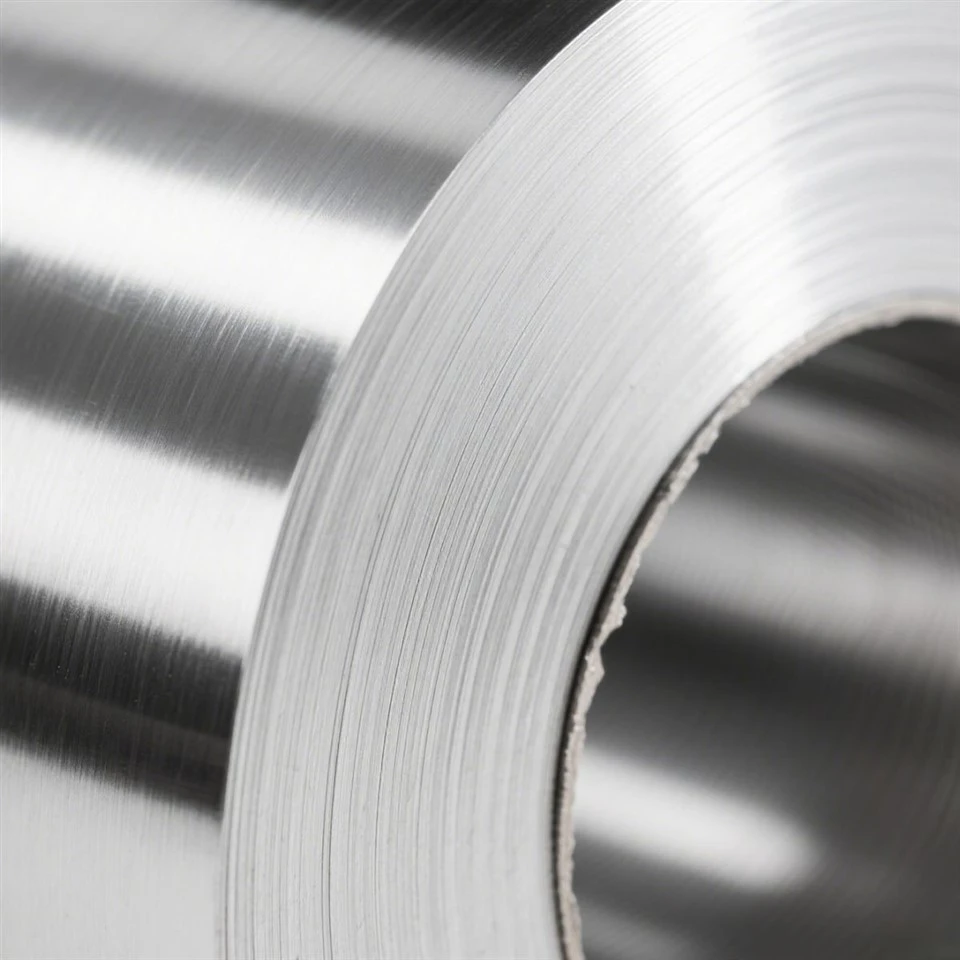

202 Stainless Steel Coil
202 stainless steel is a more affordable alternative to 304. It contains manganese instead of some of the nickel. While it has decent corrosion resistance, it's not as good as 304 in highly corrosive environments. However, it can still be used in less demanding food - grade applications, like some types of food display cases.
Considerations When Using Stainless Steel Coils in Food - Grade Applications
Even though stainless steel is generally safe for food - grade use, there are a few things to keep in mind.
First, the surface finish of the stainless steel matters. A smooth surface is better because it's easier to clean and less likely to harbor bacteria. Rough or textured surfaces can trap food particles and dirt, which can lead to contamination. So, when you're choosing a stainless steel coil, make sure it has a smooth finish.
Second, proper installation and maintenance are key. If the stainless steel is not installed correctly, it can create areas where moisture or food debris can accumulate, leading to corrosion. And regular maintenance, like cleaning and inspecting for any signs of damage, is essential to keep the steel in good condition.
Third, be aware of any potential interactions with other materials. For example, if stainless steel comes into contact with certain types of rubber or plastic gaskets, it could cause a chemical reaction. So, it's important to choose compatible materials when assembling food - grade equipment.
Our Offerings as a Stainless Steel Coil Supplier
As a stainless steel coil supplier, we understand the importance of providing high - quality products for food - grade applications. We offer a wide range of stainless steel grades, including 304, 316, and others like the 410S Stainless Steel Coil, 309S Stainless Steel Coil, and 202 Stainless Steel Coil.
Our coils are manufactured to strict quality standards. We source the raw materials from reliable suppliers and use advanced manufacturing processes to ensure the best possible quality. We also offer custom cutting and finishing services, so you can get the exact size and finish you need for your food - grade project.
Whether you're a small food business or a large food manufacturer, we can provide you with the right stainless steel coil for your needs. We're committed to delivering excellent customer service and helping you find the perfect solution for your food - grade applications.
Contact Us for Your Stainless Steel Coil Needs
If you're in the market for stainless steel coils for food - grade applications, don't hesitate to reach out. We're here to answer any questions you might have and help you make the right choice. Whether you need more information about our products, a quote, or just some advice on which grade is best for your project, we're happy to assist.
Let's work together to ensure your food - grade equipment is made with the highest - quality stainless steel. Contact us today to start the conversation!
References
- ASM Handbook, Volume 13A: Corrosion: Fundamentals, Testing, and Protection
- "Stainless Steel in the Food Industry" by The Nickel Institute
- "Food - Grade Stainless Steel: A Guide to Selection and Use" by the American Iron and Steel Institute