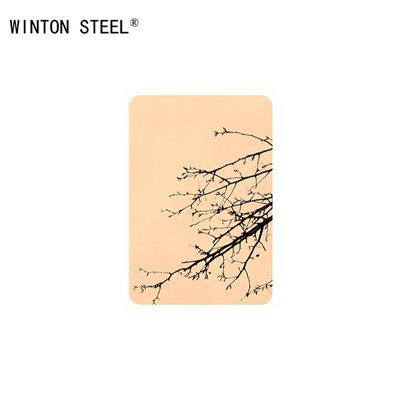
Hey there! As a supplier of PVD Stainless Steel Sheet, I've seen my fair share of stained sheets. It's a common issue, but don't worry – I'm here to share some tips on how to remove stains from PVD Stainless Steel Sheet.
Understanding PVD Stainless Steel Sheet
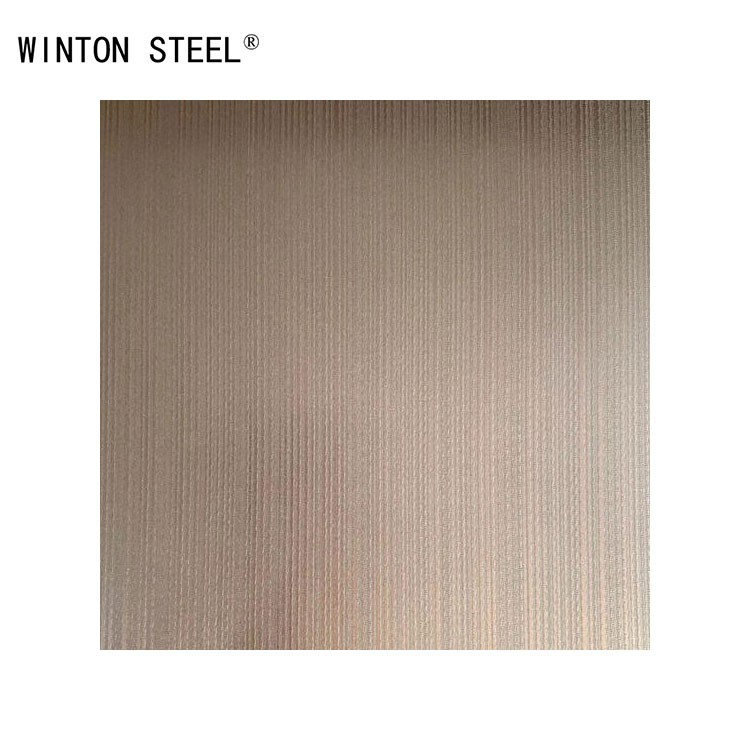
First off, let's talk a bit about what PVD Stainless Steel Sheet is. PVD, or Physical Vapor Deposition, is a process that adds a thin, decorative, and protective coating to stainless steel. This coating gives the steel a unique look, like a mirror finish, water ripple effect, or the classic NO.4 finish. You can check out our Mirror Stainless Steel Sheet, Water Ripple Stainless Steel Sheet, and NO.4 Stainless Steel Sheet on our website.
The PVD coating not only makes the steel look great but also provides some protection against corrosion and scratches. However, it's not completely immune to stains. Stains can come from a variety of sources, like fingerprints, water spots, oil, or even rust if the sheet is exposed to harsh conditions.
Types of Stains and How to Remove Them
Fingerprint Stains
Fingerprints are one of the most common stains on PVD Stainless Steel Sheet. They're caused by the natural oils and sweat on our fingers. To remove fingerprint stains, you can use a mild detergent and warm water. Here's how:
- Mix a small amount of mild dish soap with warm water in a bucket or spray bottle.
- Dip a soft, clean cloth into the soapy water and wring it out so it's damp, not soaking wet.
- Gently wipe the stained area with the cloth, following the grain of the steel.
- Rinse the area with clean water and dry it with a soft, dry cloth to prevent water spots.
If the fingerprint stains are stubborn, you can try using a stainless steel cleaner. Just make sure it's safe for PVD-coated surfaces. Apply the cleaner according to the manufacturer's instructions, and then wipe it off with a clean cloth.
Water Spot Stains
Water spots are another common issue, especially if the sheet is exposed to hard water. Hard water contains minerals like calcium and magnesium, which can leave behind white or cloudy spots when the water evaporates. To remove water spot stains, you can use vinegar or lemon juice. Here's the process:
- Mix equal parts white vinegar or lemon juice with water in a spray bottle.
- Spray the solution onto the stained area and let it sit for a few minutes.
- Use a soft cloth to gently rub the stains in a circular motion.
- Rinse the area with clean water and dry it thoroughly.
If the water spots are really bad, you may need to repeat the process a few times. You can also try using a commercial water spot remover, but again, make sure it's safe for PVD-coated surfaces.

Oil Stains
Oil stains can come from cooking, handling the sheet with oily hands, or exposure to oil-based products. To remove oil stains, you can use a degreaser or a mixture of baking soda and water. Here's what to do:
- If using a degreaser, apply it to the stained area according to the manufacturer's instructions. Let it sit for a few minutes to break down the oil.
- Use a soft brush or cloth to scrub the stains gently.
- Rinse the area with clean water and dry it.
If you prefer a natural solution, mix baking soda with water to form a paste. Apply the paste to the oil stains and let it sit for about 15 minutes. Then, scrub the stains with a soft brush or cloth and rinse the area thoroughly.
Rust Stains
Rust stains are less common on PVD Stainless Steel Sheet, but they can still occur if the sheet is exposed to moisture and oxygen for a long time. To remove rust stains, you can use a rust remover specifically designed for stainless steel. Here's the procedure:
- Apply the rust remover to the stained area and let it sit for the recommended time.
- Use a soft brush or cloth to scrub the rust stains gently.
- Rinse the area with clean water and dry it completely.
It's important to note that if the rust has penetrated the PVD coating, it may be more difficult to remove, and you may need to consult a professional.
Preventing Stains on PVD Stainless Steel Sheet
While it's important to know how to remove stains, it's even better to prevent them in the first place. Here are some tips to keep your PVD Stainless Steel Sheet looking its best:
- Clean Regularly: Regular cleaning can prevent stains from building up. Wipe the sheet with a soft, dry cloth after each use to remove dust and debris.
- Use Protective Gloves: When handling the sheet, wear clean, dry gloves to avoid leaving fingerprints or oil stains.
- Avoid Harsh Chemicals: Harsh chemicals like bleach, ammonia, or abrasive cleaners can damage the PVD coating. Stick to mild detergents, vinegar, or stainless steel cleaners that are safe for PVD-coated surfaces.
- Keep the Sheet Dry: Moisture can lead to water spots and rust stains. Make sure the sheet is completely dry after cleaning or exposure to water.
Conclusion
Removing stains from PVD Stainless Steel Sheet doesn't have to be a hassle. By understanding the different types of stains and using the right cleaning methods, you can keep your sheets looking like new. Remember to always test any cleaning solution on a small, inconspicuous area first to make sure it doesn't damage the PVD coating.
If you're in the market for high-quality PVD Stainless Steel Sheet, we're here to help. We offer a wide range of finishes and sizes to meet your needs. Whether you're a homeowner, a contractor, or a designer, we can provide you with the perfect sheet for your project. Contact us to discuss your requirements and get a quote. We look forward to working with you!
References
- "Stainless Steel Cleaning and Maintenance Guide" by the Stainless Steel Information Center.
- "How to Clean PVD Coated Stainless Steel" by various online resources.