Hey there! As a supplier of U Shape Stainless Steel Tile Trim, I often get asked a bunch of questions about our products. One of the most common queries is whether U Shape Stainless Steel Tile Trim is resistant to chemicals. Well, let's dive right into it and find out!
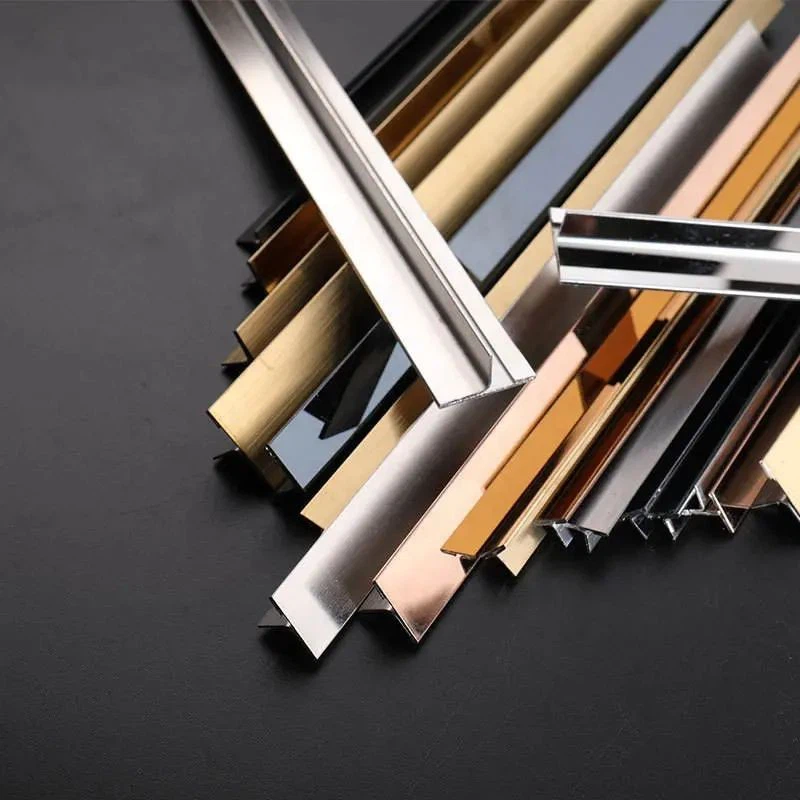
First off, let's talk a bit about what U Shape Stainless Steel Tile Trim is. It's a super handy product that's used to finish and protect the edges of tiles. Whether you're working on a kitchen backsplash, a bathroom wall, or a commercial floor, U Shape Stainless Steel Tile Trim gives a clean and professional look. You can check out more about it on our website U Shape Stainless Steel Tile Trim.
Now, let's get to the main question: Is it resistant to chemicals? The short answer is, it depends. Stainless steel is generally known for its corrosion - resistance, and that includes resistance to many chemicals. But not all chemicals are created equal, and different types of stainless steel can react differently.
Stainless steel gets its corrosion - resistant properties from the chromium content. When chromium reacts with oxygen in the air, it forms a thin, invisible layer of chromium oxide on the surface of the steel. This layer acts as a barrier, preventing further oxidation and protecting the steel from many chemicals.
For common household chemicals like mild detergents, soaps, and water, U Shape Stainless Steel Tile Trim is more than capable of holding up. These substances are not likely to cause any significant damage to the stainless steel. So, if you're using the tile trim in a normal home environment, where it might come into contact with everyday cleaning products, you don't have to worry too much.
However, things get a bit more complicated when we start talking about stronger chemicals. For example, strong acids like hydrochloric acid or sulfuric acid can be quite aggressive towards stainless steel. These acids can break down the chromium oxide layer, exposing the underlying steel to corrosion. If your U Shape Stainless Steel Tile Trim is going to be in an environment where it might be exposed to such strong acids, you need to take extra precautions.
Another group of chemicals to be cautious about is chlorides. Chlorides are found in things like saltwater and some cleaning products. Prolonged exposure to high concentrations of chlorides can lead to a type of corrosion called pitting corrosion. Pitting corrosion is when small holes or pits form on the surface of the stainless steel. This can weaken the tile trim over time and make it look unsightly.
There are also alkalis to consider. While stainless steel is generally more resistant to alkalis than acids, very strong alkalis can still cause problems. For instance, concentrated sodium hydroxide solutions can react with stainless steel under certain conditions.
So, what can you do to ensure the chemical resistance of your U Shape Stainless Steel Tile Trim? First of all, choose the right grade of stainless steel. There are different grades available, and some are more resistant to chemicals than others. For environments where chemical exposure is a concern, you might want to opt for a higher - grade stainless steel.
Secondly, proper maintenance is key. Regular cleaning with mild detergents and water can help keep the surface of the tile trim clean and prevent the buildup of chemicals. And if the tile trim does come into contact with a potentially harmful chemical, rinse it off immediately with plenty of water.
Now, let's compare U Shape Stainless Steel Tile Trim with other types of tile trims in terms of chemical resistance. We also offer T Shape Stainless Steel Tile Trim and Flat Stainless Steel Tile Trim. In general, all stainless steel tile trims share similar chemical - resistant properties because they are made of the same basic material. However, the shape can sometimes affect how easily chemicals can come into contact with the surface.
For example, the U shape might trap some chemicals more easily in the grooves compared to a flat shape. But on the other hand, the U shape also provides more protection to the tile edges, which can be an advantage in some situations.
In industrial settings, where chemical exposure is more likely, stainless steel tile trims are often a better choice compared to other materials like plastic or aluminum. Plastic tile trims can be damaged by many chemicals, and aluminum is more prone to corrosion in the presence of certain substances.
In conclusion, U Shape Stainless Steel Tile Trim has good chemical resistance for most common household and light - commercial applications. But when it comes to stronger chemicals, you need to be more careful. By choosing the right grade of stainless steel and following proper maintenance procedures, you can ensure that your tile trim lasts a long time and looks great.
If you're in the market for U Shape Stainless Steel Tile Trim, or any of our other tile trims like T Shape Stainless Steel Tile Trim or Flat Stainless Steel Tile Trim, we're here to help. Whether you have questions about chemical resistance or any other aspect of our products, feel free to reach out. We can provide you with more detailed information and help you make the best choice for your project. If you're interested in purchasing, we'd love to have a chat with you about your requirements and get you the right products at the best prices.

References:
- "Stainless Steel: A Primer" by The Nickel Institute
- "Corrosion Resistance of Stainless Steels" by ASM International