As a supplier of T Shape Stainless Steel Tile Trim, I am often asked about the corrosion resistance level of our products. In this blog post, I will delve into the details of the corrosion resistance of T Shape Stainless Steel Tile Trim, exploring the factors that influence it and why it matters in various applications.
Understanding Stainless Steel and Corrosion Resistance
Stainless steel is a popular choice for tile trims due to its durability, aesthetic appeal, and, most importantly, its corrosion resistance. Corrosion is the gradual destruction of materials by chemical reaction with their environment. In the case of stainless steel, it is primarily the result of exposure to moisture, oxygen, and certain chemicals.
The corrosion resistance of stainless steel is mainly attributed to the presence of chromium. When stainless steel is exposed to oxygen, a thin, invisible layer of chromium oxide forms on its surface. This layer acts as a protective barrier, preventing further oxidation and corrosion. The higher the chromium content, the better the corrosion resistance. Additionally, other elements such as nickel, molybdenum, and nitrogen can also enhance the corrosion resistance of stainless steel.

Corrosion Resistance of T Shape Stainless Steel Tile Trim
Our T Shape Stainless Steel Tile Trim is made from high - quality stainless steel, typically grade 304 or 316. Grade 304 stainless steel contains approximately 18% chromium and 8% nickel. It offers good general corrosion resistance in most indoor and mild outdoor environments. It can withstand normal humidity levels and is resistant to many common household chemicals.
Grade 316 stainless steel, on the other hand, has a higher molybdenum content (around 2 - 3%) in addition to 16 - 18% chromium and 10 - 14% nickel. This makes it more resistant to corrosion in harsh environments, especially those with exposure to saltwater or chloride - containing chemicals. For example, in coastal areas where the air contains salt particles, or in commercial kitchens where there is frequent contact with cleaning agents containing chlorides, grade 316 stainless steel is the preferred choice.
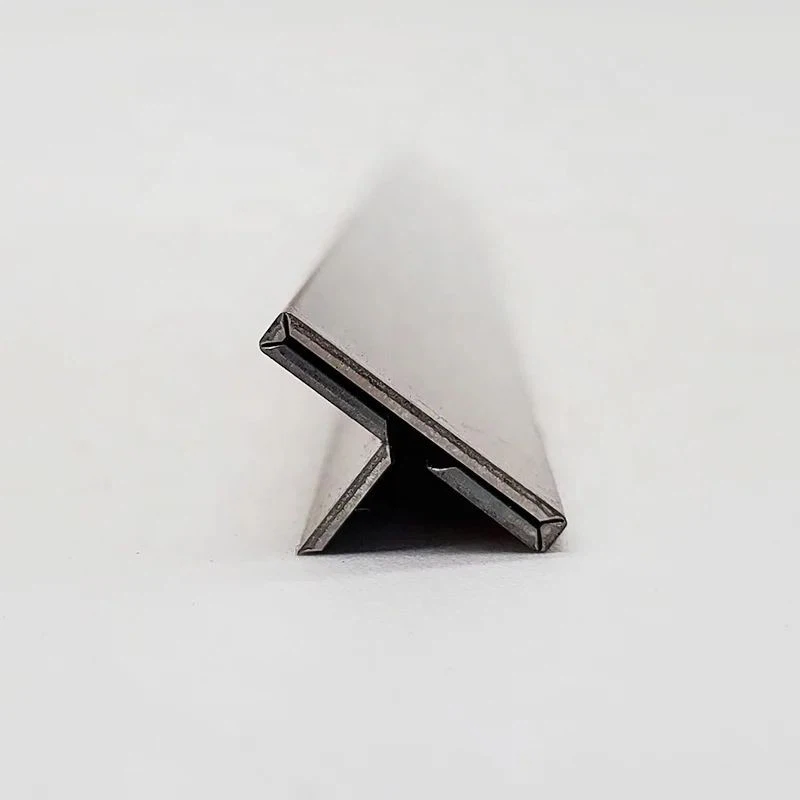
The T shape design of the tile trim also plays a role in its corrosion resistance. The shape provides a stable structure that can better protect the edges of tiles. It also allows for proper drainage in wet areas, reducing the accumulation of water that could lead to corrosion. Moreover, the smooth surface of the T Shape Stainless Steel Tile Trim makes it easy to clean, which helps to maintain its corrosion - resistant properties.
Factors Affecting Corrosion Resistance
While stainless steel is known for its corrosion resistance, several factors can still affect the performance of T Shape Stainless Steel Tile Trim.
Environmental Conditions
The environment in which the tile trim is installed has a significant impact on its corrosion resistance. In indoor environments with low humidity and minimal exposure to chemicals, the corrosion risk is relatively low. However, in outdoor environments, especially in areas with high humidity, acid rain, or industrial pollution, the tile trim may be more prone to corrosion. Coastal areas are particularly challenging due to the presence of salt in the air, which can accelerate the corrosion process.
Chemical Exposure
Exposure to certain chemicals can also compromise the corrosion resistance of stainless steel. Chlorides, such as those found in table salt, sea salt, and some cleaning agents, can break down the protective chromium oxide layer. Other chemicals like acids, alkalis, and oxidizing agents can also cause corrosion if the stainless steel is exposed to them for extended periods.
Surface Finish
The surface finish of the T Shape Stainless Steel Tile Trim can affect its corrosion resistance. A smooth, polished surface is less likely to trap dirt and moisture, reducing the risk of corrosion. On the other hand, a rough or scratched surface can provide sites for corrosion to start. Therefore, it is important to handle the tile trim carefully during installation to avoid scratching the surface.
Importance of Corrosion Resistance in Tile Trim
The corrosion resistance of T Shape Stainless Steel Tile Trim is crucial for several reasons.
Durability
Corrosion can weaken the structure of the tile trim over time, leading to damage and premature failure. A corrosion - resistant tile trim can last for many years, even in harsh environments, providing long - term protection for the edges of tiles.
Aesthetic Appeal
Corrosion can cause the tile trim to develop stains, rust spots, or a dull appearance. This can significantly detract from the overall aesthetic of the tiled area. A corrosion - resistant tile trim maintains its shiny and clean appearance, enhancing the visual appeal of the tiles.
Hygiene
In areas such as bathrooms, kitchens, and hospitals, hygiene is of utmost importance. A corrosion - resistant tile trim is less likely to harbor bacteria and other contaminants, as it can be easily cleaned and maintained. This helps to create a clean and healthy environment.
Comparing with Other Shapes of Stainless Steel Tile Trim
In addition to T Shape Stainless Steel Tile Trim, we also offer L Shape Stainless Steel Tile Trim and U Shape Stainless Steel Tile Trim. The corrosion resistance of these different shapes is generally similar, as they are all made from high - quality stainless steel.
However, the shape can affect how the tile trim interacts with the environment. For example, the L shape is often used for corner protection, and its design may make it more prone to water accumulation in some cases. The U shape, on the other hand, provides more coverage and can better protect the edges of tiles from moisture and chemicals. But in general, all these shapes can offer good corrosion resistance when made from appropriate stainless steel grades.
Conclusion
In conclusion, the corrosion resistance of T Shape Stainless Steel Tile Trim is a key feature that makes it a popular choice for tile edging. Our T Shape Stainless Steel Tile Trim, made from high - quality stainless steel grades such as 304 and 316, offers excellent corrosion resistance in a wide range of environments. However, it is important to consider the environmental conditions, chemical exposure, and surface finish to ensure optimal performance.
If you are in the market for high - quality T Shape Stainless Steel Tile Trim or other shapes of stainless steel tile trim, we are here to provide you with the best products and solutions. Our team of experts can help you choose the right grade and shape of tile trim based on your specific needs. We invite you to contact us to discuss your requirements and start a procurement negotiation. We look forward to serving you and helping you achieve the perfect tiled finish.
References
- ASM Handbook Committee. (2004). ASM Handbook Volume 13A: Corrosion: Fundamentals, Testing, and Protection. ASM International.
- Stainless Steel World Americas. (2020). Understanding Stainless Steel Corrosion Resistance.