As a trusted supplier of 316 stainless steel coil, I've witnessed firsthand the diverse needs and applications of this remarkable material. 316 stainless steel coil is renowned for its excellent corrosion resistance, high-temperature strength, and good formability, making it a popular choice across various industries, including construction, food processing, and chemical engineering. However, choosing the right welding method is crucial to ensure the integrity and performance of the welded joints. In this blog post, I'll explore the welding methods suitable for 316 stainless steel coil, providing insights and guidance to help you make informed decisions for your projects.
Understanding 316 Stainless Steel Coil
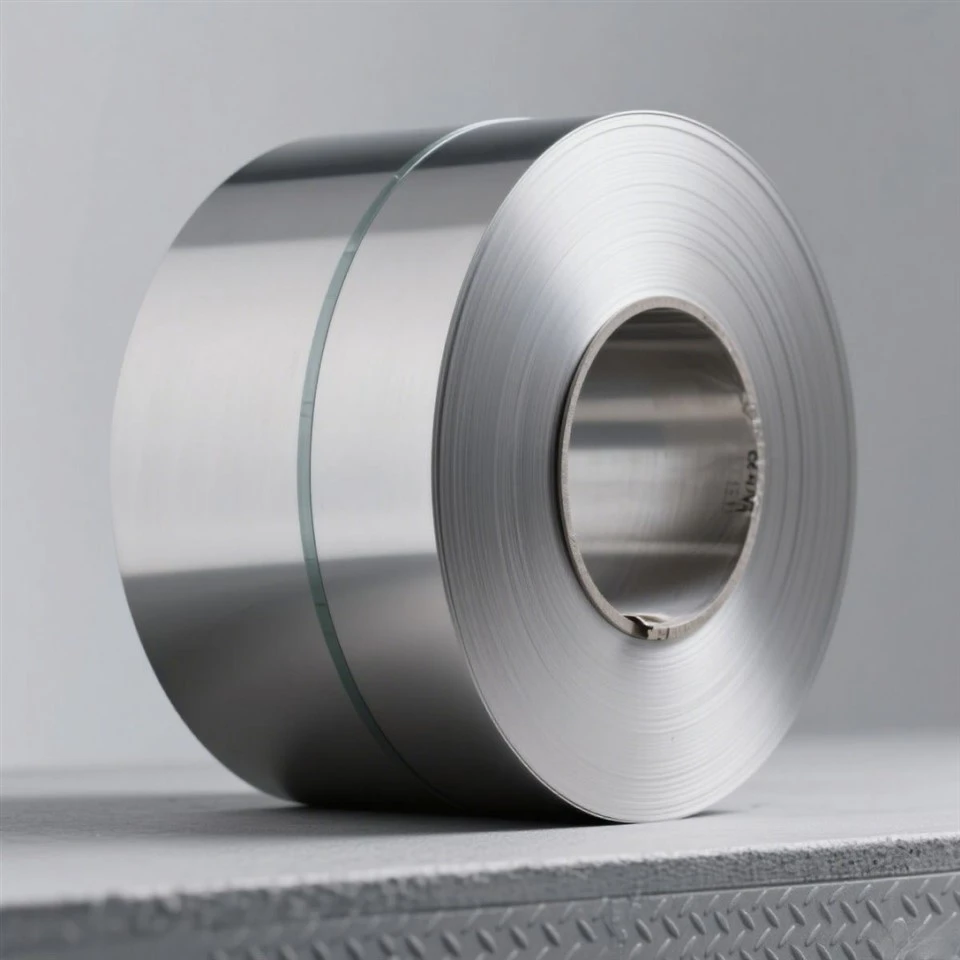
Before delving into the welding methods, it's essential to understand the properties of 316 stainless steel coil. 316 stainless steel is an austenitic stainless steel alloy that contains chromium, nickel, and molybdenum. The addition of molybdenum enhances its corrosion resistance, especially in chloride-rich environments, such as marine and chemical processing applications. 316 stainless steel coil is available in various thicknesses, widths, and finishes, making it versatile for different fabrication processes.
Welding Challenges of 316 Stainless Steel Coil
While 316 stainless steel coil offers excellent weldability, several challenges need to be addressed during the welding process. One of the primary challenges is the formation of chromium carbides, which can occur when the steel is heated to high temperatures during welding. Chromium carbides can reduce the corrosion resistance of the welded joint, making it more susceptible to corrosion. To prevent the formation of chromium carbides, it's essential to control the welding parameters, such as the heat input, cooling rate, and interpass temperature.
Another challenge is the presence of residual stresses in the welded joint. Residual stresses can cause distortion, cracking, and reduced fatigue life of the welded structure. To minimize residual stresses, it's important to use proper welding techniques, such as preheating, post-weld heat treatment, and stress relief annealing.

Suitable Welding Methods for 316 Stainless Steel Coil
Several welding methods are suitable for 316 stainless steel coil, each with its advantages and limitations. The choice of welding method depends on various factors, such as the thickness of the coil, the joint design, the welding position, and the required weld quality. Here are some of the commonly used welding methods for 316 stainless steel coil:
Tungsten Inert Gas (TIG) Welding
TIG welding, also known as Gas Tungsten Arc Welding (GTAW), is a popular welding method for 316 stainless steel coil. It uses a non-consumable tungsten electrode to create an arc between the electrode and the workpiece. The arc melts the base metal and a filler metal, if required, to form the weld joint. TIG welding offers several advantages, including precise control of the welding process, high-quality welds, and minimal distortion. It's suitable for thin-gauge 316 stainless steel coil and applications where aesthetics and weld quality are critical.
Metal Inert Gas (MIG) Welding
MIG welding, also known as Gas Metal Arc Welding (GMAW), is another commonly used welding method for 316 stainless steel coil. It uses a consumable wire electrode to create an arc between the electrode and the workpiece. The arc melts the base metal and the wire electrode to form the weld joint. MIG welding offers high deposition rates, fast welding speeds, and good weld quality. It's suitable for thicker-gauge 316 stainless steel coil and applications where productivity is important.
Shielded Metal Arc Welding (SMAW)
Shielded Metal Arc Welding (SMAW), also known as Stick Welding, is a traditional welding method that uses a consumable electrode coated with a flux. The flux protects the weld pool from atmospheric contamination and provides a shielding gas. SMAW is a versatile welding method that can be used in various welding positions and environments. It's suitable for outdoor welding and applications where portability is important. However, SMAW requires more skill and experience to achieve high-quality welds compared to TIG and MIG welding.
Plasma Arc Welding (PAW)
Plasma Arc Welding (PAW) is a high-energy welding method that uses a constricted arc to create a plasma jet. The plasma jet melts the base metal and a filler metal, if required, to form the weld joint. PAW offers high welding speeds, deep penetration, and excellent weld quality. It's suitable for thin-gauge 316 stainless steel coil and applications where high precision and quality are required.
Welding Tips for 316 Stainless Steel Coil
Regardless of the welding method used, here are some general tips to ensure successful welding of 316 stainless steel coil:
- Clean the Surface: Before welding, clean the surface of the 316 stainless steel coil to remove any dirt, oil, grease, or oxide layers. Use a stainless steel wire brush, solvent, or abrasive pad to clean the surface.
- Use the Right Filler Metal: Choose a filler metal that is compatible with 316 stainless steel. The filler metal should have similar chemical composition and mechanical properties to the base metal.
- Control the Heat Input: To prevent the formation of chromium carbides and minimize distortion, control the heat input during welding. Use the lowest possible heat input that can achieve a sound weld joint.
- Preheat and Post-Weld Heat Treatment: For thicker-gauge 316 stainless steel coil, preheating and post-weld heat treatment may be required to reduce residual stresses and improve the weld quality. Consult the welding procedure specification (WPS) for the recommended preheating and post-weld heat treatment parameters.
- Protect the Weld Pool: Use a shielding gas to protect the weld pool from atmospheric contamination. The shielding gas should be compatible with the welding method and the base metal.
Conclusion
Choosing the right welding method is crucial to ensure the integrity and performance of the welded joints in 316 stainless steel coil. TIG welding, MIG welding, SMAW, and PAW are all suitable welding methods for 316 stainless steel coil, each with its advantages and limitations. By understanding the properties of 316 stainless steel coil, addressing the welding challenges, and following the welding tips, you can achieve high-quality welds that meet the requirements of your projects.
If you're in the market for high-quality 316L Stainless Steel Coil, 202 Stainless Steel Coil, or 309S Stainless Steel Coil, I invite you to contact me for more information and to discuss your specific requirements. I'm committed to providing you with the best products and services to meet your needs.
References
- AWS D1.6: Structural Welding Code - Stainless Steel
- ASME Boiler and Pressure Vessel Code, Section IX: Welding and Brazing Qualifications
- Welding Handbook, Volume 2: Welding Processes, American Welding Society