

Hey there! As a supplier of PVD Stainless Steel Sheet, I often get asked about how our products perform in acidic environments. So, I thought I'd dive into this topic and share some insights with you.
First off, let's understand what PVD Stainless Steel Sheet is. PVD, or Physical Vapor Deposition, is a process where a thin film of material is deposited onto the surface of the stainless steel. This gives the stainless steel not only a beautiful appearance but also enhanced properties. Our PVD Stainless Steel Sheet comes in various colors and finishes, making it a popular choice for a wide range of applications, from architecture to interior design.
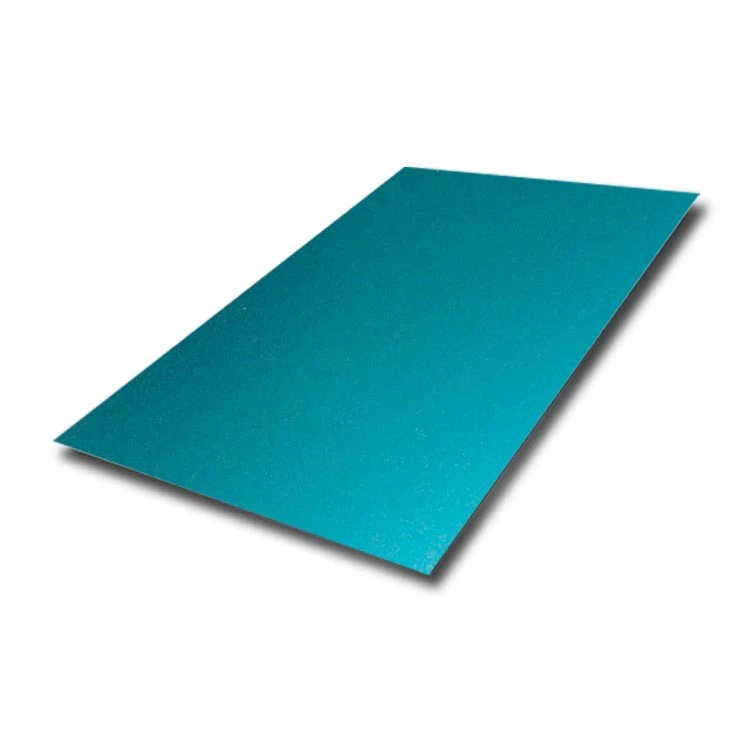

Now, when it comes to acidic environments, stainless steel is generally known for its corrosion resistance. But different grades of stainless steel and types of PVD coatings can have varying performances.
How Stainless Steel Resists Corrosion in Acidic Conditions
Stainless steel contains chromium, which forms a passive oxide layer on the surface. This layer acts as a barrier, preventing the metal beneath from reacting with the environment. When exposed to an acidic environment, this passive layer can dissolve to some extent. However, as long as there is enough chromium present, the layer can re - form and continue to protect the steel.
The performance of PVD Stainless Steel Sheet in an acidic environment depends on several factors. One of the key factors is the type of acid. For example, weak acids like acetic acid (found in vinegar) are less aggressive compared to strong acids like sulfuric acid.
Performance in Different Acidic Environments
Weak Acidic Environments
In weak acidic environments, our PVD Stainless Steel Sheet performs quite well. The PVD coating adds an extra layer of protection on top of the passive oxide layer of the stainless steel. For instance, in a mildly acidic indoor environment where there might be traces of acidic cleaning agents, the PVD coating helps to slow down the corrosion process. The color and finish of the sheet remain intact for a long time, maintaining its aesthetic appeal.
Strong Acidic Environments
In strong acidic environments, the situation is a bit more challenging. Strong acids can break down both the PVD coating and the passive oxide layer of the stainless steel more rapidly. However, the performance still depends on the thickness and quality of the PVD coating. Our high - quality PVD coatings are designed to provide better resistance.
For example, in industrial settings where there are high concentrations of sulfuric acid, the PVD Stainless Steel Sheet may start to show signs of corrosion over time. But compared to regular stainless steel without a PVD coating, our sheet can last longer. The PVD coating acts as a sacrificial layer to some extent, taking the initial brunt of the acid attack and protecting the underlying stainless steel.
Comparing with Other Types of Stainless Steel Sheets
Let's compare our PVD Stainless Steel Sheet with Mirror Stainless Steel Sheet and Embossing Stainless Steel Sheet in acidic environments.
Mirror Stainless Steel Sheet has a highly polished surface. While it has good corrosion resistance due to the stainless steel base, the polished surface can be more prone to damage in acidic environments. The acid can etch the surface, causing it to lose its mirror - like finish.
Embossing Stainless Steel Sheet has a textured surface. The texture can trap acid, which may lead to localized corrosion. In contrast, our PVD Stainless Steel Sheet, with its protective coating, can better withstand the acidic attack and maintain its integrity and appearance.
Real - World Applications and Their Acidic Conditions
Architecture
In architectural applications, PVD Stainless Steel Sheet is used for facades, handrails, and decorative elements. In urban environments, there may be acid rain, which contains sulfuric and nitric acids. Our PVD Stainless Steel Sheet can resist the mild acidic nature of acid rain for a long time. The PVD coating protects the steel from the corrosive effects of the acid, ensuring that the building's exterior looks great for years to come.
Interior Design
In interior design, PVD Stainless Steel Sheet is used in kitchens and bathrooms. In kitchens, there may be acidic foods and cleaning agents. The PVD coating on our sheet helps to prevent staining and corrosion, keeping the surfaces looking new. In bathrooms, the presence of acidic cleaning products and hard water can also pose a threat. Our PVD Stainless Steel Sheet can handle these conditions without losing its luster.
Tips for Using PVD Stainless Steel Sheet in Acidic Environments
- Regular Cleaning: Regularly clean the PVD Stainless Steel Sheet with a mild, non - acidic cleaner. This helps to remove any acidic residues that may have accumulated on the surface.
- Avoid Prolonged Exposure: Try to avoid prolonged exposure to strong acids. If the sheet does come into contact with a strong acid, rinse it immediately with water to minimize the damage.
- Inspection: Periodically inspect the sheet for any signs of corrosion or damage. If any issues are detected early, appropriate measures can be taken to prevent further deterioration.
Conclusion
Overall, our PVD Stainless Steel Sheet performs well in a variety of acidic environments. Whether it's a weak acidic indoor environment or a moderately acidic outdoor setting, the PVD coating provides an extra layer of protection and enhances the corrosion resistance of the stainless steel.
If you're in the market for high - quality PVD Stainless Steel Sheet that can stand up to acidic environments, we'd love to hear from you. We can provide you with samples and detailed information about our products. Contact us to start a discussion about your specific requirements and how our PVD Stainless Steel Sheet can meet them.
References
- "Corrosion of Stainless Steels" by Robert W. Staehle
- "Physical Vapor Deposition: A Practical Guide" by John A. Thornton


