Hey there! I'm a supplier of 304 Stainless Steel Coil, and I've been in this business for quite a while. Over the years, I've learned a thing or two about how to improve the production efficiency of 304 stainless steel coil. So, I thought I'd share some of my insights with you all.
1. Raw Material Management
First off, let's talk about raw materials. The quality and availability of raw materials play a huge role in production efficiency. For 304 stainless steel coil, the main raw materials are chromium, nickel, and iron. You gotta make sure you're getting high - quality raw materials from reliable suppliers.
I always do my research before choosing a supplier. I check their reputation in the market, the quality of their products, and their delivery times. A good supplier can make a world of difference. They'll provide you with consistent - quality materials, which means fewer production glitches.
Also, it's important to manage your inventory well. You don't want to run out of raw materials in the middle of production. But at the same time, you don't want to over - stock either, as that ties up your capital. I use a just - in - time inventory system as much as possible. This way, I get the raw materials exactly when I need them, reducing storage costs and waste.
2. Equipment Maintenance and Upgrades
Your production equipment is the heart of your operation. If it's not working properly, your production efficiency is going to take a nosedive. Regular maintenance is a must. I have a team that checks and maintains our equipment on a daily basis. They look for any signs of wear and tear, and fix any small issues before they turn into big problems.
But maintenance isn't enough. You also need to think about upgrading your equipment from time to time. Newer machines are often more efficient, faster, and more precise. For example, modern rolling mills can produce 304 stainless steel coil with better surface finish and dimensional accuracy. It might seem like a big investment at first, but in the long run, it pays off. You'll save on labor costs, reduce waste, and increase your overall output.

3. Workforce Training and Management
Your employees are your most valuable asset. A well - trained workforce can significantly improve production efficiency. I make sure that all my employees receive regular training on the latest production techniques and safety procedures. This not only makes them more skilled but also boosts their confidence.
When it comes to management, I believe in creating a positive work environment. I encourage open communication between employees and management. Everyone's opinion matters, and I've found that my employees often come up with great ideas to improve the production process. I also set clear goals and provide incentives for meeting those goals. This motivates my team to work harder and be more productive.
4. Process Optimization
Analyzing and optimizing your production process is crucial. You need to look at every step of the process, from melting the raw materials to coiling the finished product. Identify any bottlenecks or inefficiencies and find ways to eliminate them.
For example, in the melting process, we used to have a long waiting time for the furnace to reach the right temperature. By installing a pre - heating system, we were able to cut down this waiting time significantly. In the coiling process, we adjusted the tension settings to reduce the number of coil breaks, which increased our yield.
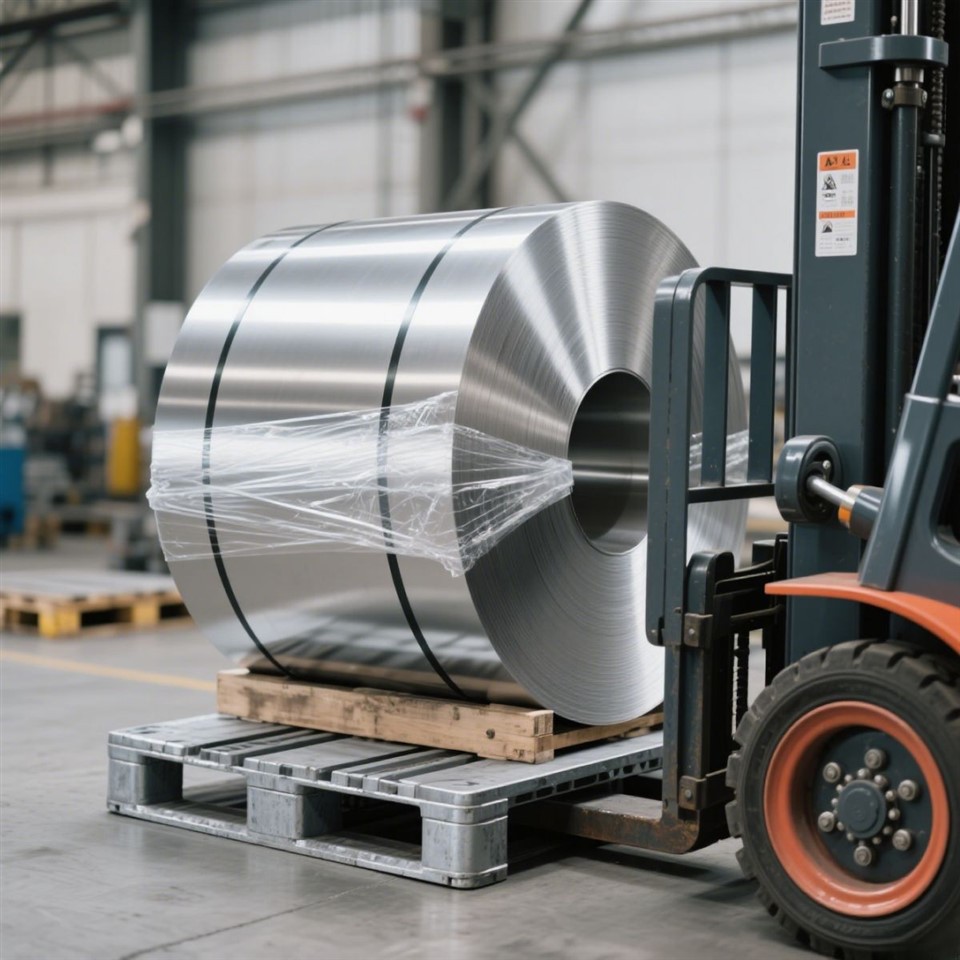
Another aspect of process optimization is automation. There are certain tasks in the production of 304 stainless steel coil that can be automated. For instance, material handling, quality inspection, and data collection. Automation not only speeds up the process but also reduces the chances of human error.
5. Quality Control
Quality control is not just about ensuring that your products meet the standards; it also has a big impact on production efficiency. If you produce a lot of defective products, you'll have to spend time and resources on rework or scrap. This slows down your production and increases costs.
I have a strict quality control system in place. We inspect the raw materials when they arrive, monitor the production process at every stage, and conduct a final inspection of the finished products. By catching any quality issues early, we can make adjustments to the production process right away, minimizing waste and downtime.
6. Supply Chain Collaboration
Collaborating with your suppliers and customers can also improve production efficiency. With your suppliers, you can work together to develop better - quality raw materials, reduce costs, and improve delivery times. For example, you can negotiate long - term contracts to get better prices and more stable supply.
On the customer side, understanding their needs and expectations can help you plan your production more effectively. If you know in advance what kind of 304 stainless steel coil your customers need, you can adjust your production schedule accordingly. This reduces the chances of over - production or under - production.
7. Environmental Considerations
In today's world, environmental concerns are becoming increasingly important. Implementing environmentally friendly practices can also improve production efficiency. For example, using energy - efficient equipment can reduce your energy consumption and lower your production costs. Recycling waste materials can also save on raw material costs.
We've installed energy - saving lighting systems in our factory, and we recycle all the scrap metal generated during the production process. Not only does this help the environment, but it also makes good business sense.
If you're in the market for high - quality 304 Stainless Steel Coil, or you're interested in other types like 420 Stainless Steel Coil or 310S Stainless Steel Coil, feel free to reach out. I'd be more than happy to discuss your requirements and how we can work together to meet them.
References
- "Stainless Steel: Properties, Production, and Applications" by George E. Totten
- "Manufacturing Engineering and Technology" by S. Kalpakjian and S. R. Schmid
- Industry reports from the stainless steel manufacturing associations.