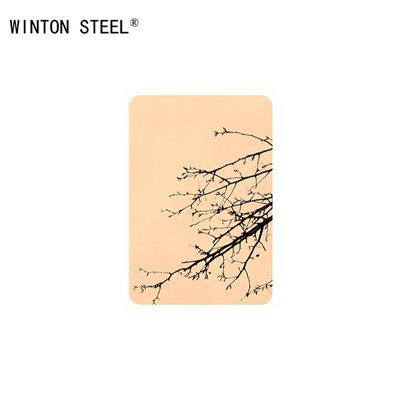
Etching is a versatile and widely used technique in the fabrication of stainless steel sheets, offering a range of surface finishes that can enhance both the aesthetic and functional properties of the material. As a leading supplier of Etching Stainless Steel Sheet, I have witnessed firsthand the diverse applications and benefits of etched stainless steel. In this blog post, I will delve into the various surface finishes that can be achieved after etching a stainless steel sheet, exploring the factors that influence these finishes and their potential uses.
Understanding the Etching Process
Before discussing the surface finishes, it is essential to understand the basic principles of the etching process. Etching involves selectively removing material from the surface of a stainless steel sheet using a chemical etchant. The process typically begins with the application of a resist material, such as a photoresist or a screen-printed mask, to the areas of the sheet that are to remain protected. The sheet is then immersed in an etchant solution, which reacts with the exposed metal, dissolving it away and creating the desired pattern or texture.
The choice of etchant, resist material, and processing parameters can significantly affect the final surface finish of the etched stainless steel sheet. Different etchants have varying levels of aggressiveness and selectivity, which can result in different etching rates and surface morphologies. The resist material must be carefully selected to ensure that it provides adequate protection during the etching process and can be easily removed afterward. Additionally, factors such as the temperature, agitation, and duration of the etching process can also influence the surface finish.
Types of Surface Finishes after Etching
Matte Finish
One of the most common surface finishes achieved after etching a stainless steel sheet is a matte finish. A matte finish is characterized by a dull, non-reflective surface that has a smooth and uniform appearance. This finish is often preferred for applications where a low-glare or anti-reflective surface is desired, such as in architectural interiors, signage, and electronic enclosures.
The matte finish is typically achieved by using a mild etchant and a relatively short etching time. The etchant selectively removes a thin layer of the metal surface, creating a microscopically rough texture that scatters light and reduces reflectivity. The resulting surface has a soft, velvety appearance that is both aesthetically pleasing and functional.
Gloss Finish
In contrast to the matte finish, a gloss finish is characterized by a shiny, reflective surface that has a high level of luster. This finish is often used for applications where a decorative or eye-catching appearance is desired, such as in jewelry, automotive trim, and consumer electronics.
The gloss finish is typically achieved by using a more aggressive etchant and a longer etching time. The etchant removes a thicker layer of the metal surface, creating a smoother and more polished texture that reflects light more efficiently. The resulting surface has a bright, mirror-like appearance that can enhance the visual appeal of the stainless steel sheet.
Textured Finish
Etching can also be used to create a variety of textured finishes on stainless steel sheets. Textured finishes can add depth, dimension, and visual interest to the surface of the sheet, making it more unique and attractive. Some common types of textured finishes include:
- Patterned Finish: A patterned finish is created by etching a specific pattern or design onto the surface of the stainless steel sheet. This can be achieved using a photoresist or a screen-printed mask, which allows for precise control over the pattern. Patterned finishes can range from simple geometric shapes to complex images and can be used for a variety of applications, such as decorative panels, furniture, and wall cladding.
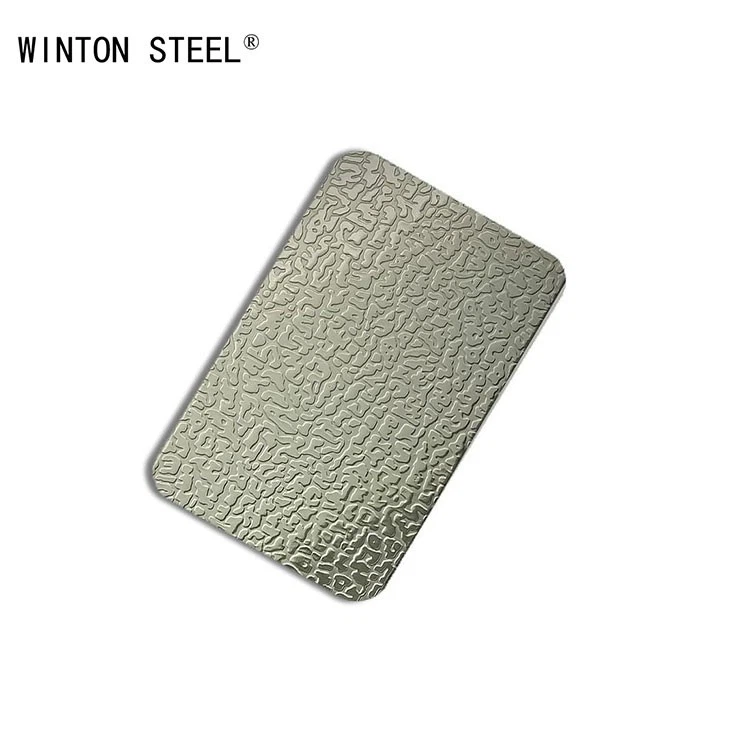
- Embossed Finish: An embossed finish is created by etching a raised pattern or texture onto the surface of the stainless steel sheet. This can be achieved by using a resist material that is thicker in some areas than others, creating a difference in the etching depth. Embossed finishes can add a three-dimensional effect to the surface of the sheet, making it more tactile and visually appealing.
- Brushed Finish: A brushed finish is created by etching a series of parallel lines or grooves onto the surface of the stainless steel sheet. This can be achieved by using a special etching technique or by mechanically brushing the surface of the sheet after etching. The brushed finish can add a subtle, directional texture to the surface of the sheet, giving it a modern and sophisticated look.
Custom Finish
In addition to the standard surface finishes mentioned above, etching can also be used to create custom finishes on stainless steel sheets. Custom finishes can be tailored to meet the specific requirements of a particular application or design, allowing for greater creativity and flexibility.
For example, we can create a custom finish by combining different etching techniques, such as using a patterned finish with a gloss or matte finish. We can also use different etchants or processing parameters to achieve a unique surface texture or appearance. Additionally, we can apply a variety of post-treatment processes, such as painting, powder coating, or electroplating, to further enhance the surface finish and protect the stainless steel sheet from corrosion and wear.

Factors Affecting the Surface Finish
Several factors can affect the surface finish of an etched stainless steel sheet, including:
- Stainless Steel Grade: Different grades of stainless steel have different chemical compositions and microstructures, which can affect their etching behavior and surface finish. For example, austenitic stainless steels are generally more resistant to etching than ferritic or martensitic stainless steels, which can result in a slower etching rate and a smoother surface finish.
- Etchant Composition: The composition of the etchant can significantly affect the etching rate and surface morphology of the stainless steel sheet. Different etchants have different levels of aggressiveness and selectivity, which can result in different etching rates and surface finishes. For example, a strong acid etchant may etch the stainless steel sheet more quickly but may also result in a rougher surface finish, while a mild acid etchant may etch the sheet more slowly but may result in a smoother surface finish.
- Resist Material: The resist material used to protect the areas of the stainless steel sheet that are not to be etched can also affect the surface finish. Different resist materials have different levels of adhesion, chemical resistance, and ease of removal, which can affect the quality and accuracy of the etching process. For example, a photoresist material may provide a more precise and detailed pattern than a screen-printed mask, but it may also be more expensive and require more specialized equipment to apply.
- Processing Parameters: The processing parameters, such as the temperature, agitation, and duration of the etching process, can also affect the surface finish of the stainless steel sheet. Higher temperatures and longer etching times generally result in a more aggressive etching process and a rougher surface finish, while lower temperatures and shorter etching times generally result in a milder etching process and a smoother surface finish. Additionally, agitation can help to ensure that the etchant is evenly distributed over the surface of the sheet, which can result in a more uniform surface finish.
Applications of Etched Stainless Steel Sheets
Etched stainless steel sheets have a wide range of applications in various industries, including:
- Architecture and Interior Design: Etched stainless steel sheets are commonly used in architectural and interior design applications, such as decorative panels, wall cladding, ceilings, and furniture. The various surface finishes available, such as matte, gloss, and textured finishes, can be used to create unique and visually appealing designs that enhance the aesthetic appeal of the space.
- Signage and Display: Etched stainless steel sheets are also widely used in signage and display applications, such as signs, logos, and displays. The ability to etch precise patterns and designs onto the surface of the sheet makes it an ideal material for creating high-quality and durable signage that can withstand the elements.
- Automotive and Aerospace: Etched stainless steel sheets are used in automotive and aerospace applications, such as trim, badges, and interior components. The corrosion resistance and high strength of stainless steel make it an ideal material for these applications, while the various surface finishes available can be used to enhance the appearance and functionality of the components.
- Electronics and Consumer Goods: Etched stainless steel sheets are used in electronics and consumer goods applications, such as mobile phone cases, laptop covers, and kitchen appliances. The ability to etch precise patterns and designs onto the surface of the sheet makes it an ideal material for creating stylish and functional products that stand out from the competition.
Contact Us for Your Etching Stainless Steel Sheet Needs
As a leading supplier of Etching Stainless Steel Sheet, we offer a wide range of surface finishes and custom solutions to meet the specific requirements of our customers. Whether you are looking for a matte, gloss, textured, or custom finish, we have the expertise and technology to deliver high-quality etched stainless steel sheets that meet your expectations.
In addition to our Etching Stainless Steel Sheet, we also offer other decorative stainless steel sheets, such as Water Ripple Stainless Steel Sheet and Sandblasted Stainless Steel Sheet. These sheets can be used in a variety of applications, providing unique and attractive surface finishes that enhance the aesthetic appeal of your projects.
If you are interested in learning more about our products or would like to discuss your specific requirements, please do not hesitate to contact us. Our team of experts is always ready to assist you and provide you with the best solutions for your etching stainless steel sheet needs.
References
- ASM Handbook, Volume 5: Surface Engineering. ASM International, 2006.
- Metals Handbook: Desk Edition, 2nd Edition. ASM International, 1998.
- Stainless Steel: A Guide to Properties, Processing, and Applications. ASM International, 2002.