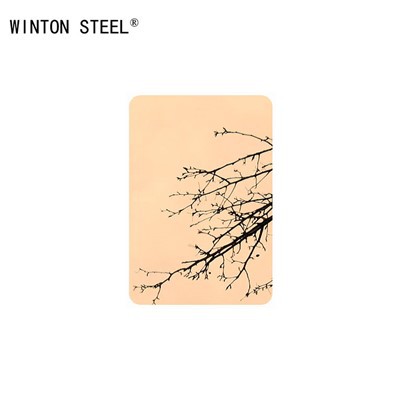
Sandblasted stainless steel sheets have emerged as a popular choice in various industries due to their unique properties and aesthetic appeal. As a supplier of sandblasted stainless steel sheets, I have witnessed firsthand the numerous advantages that these products offer. In this blog post, I will delve into the key benefits of sandblasted stainless steel sheets, shedding light on why they are a preferred option for many applications.
Aesthetically Pleasing Appearance
One of the most significant advantages of sandblasted stainless steel sheets is their visually appealing finish. The sandblasting process involves propelling abrasive particles at high speed onto the surface of the stainless steel, creating a uniform, matte texture. This texture diffuses light, reducing glare and creating a soft, satin-like appearance that is both elegant and contemporary. Unlike polished stainless steel, which can be highly reflective and prone to showing fingerprints and scratches, sandblasted stainless steel offers a more subdued and sophisticated look that is suitable for a wide range of design styles.
The matte finish of sandblasted stainless steel also provides a unique backdrop for other design elements. It can be used to complement or contrast with other materials, such as glass, wood, or stone, adding depth and visual interest to a space. For example, in interior design, sandblasted stainless steel can be used for wall cladding, backsplashes, or furniture accents, creating a modern and stylish look. In architectural applications, it can be used for facades, signage, or decorative elements, enhancing the overall aesthetic of a building.
Enhanced Durability
Stainless steel is already known for its excellent durability and corrosion resistance, and sandblasting further enhances these properties. The abrasive particles used in the sandblasting process create a micro-roughness on the surface of the stainless steel, which increases its surface area and improves its adhesion to coatings or finishes. This makes the sandblasted stainless steel more resistant to scratches, abrasions, and wear, ensuring that it maintains its appearance and functionality over time.
In addition, the sandblasting process can remove any surface contaminants or impurities from the stainless steel, leaving a clean and smooth surface that is less prone to corrosion. This is particularly important in harsh environments, such as coastal areas or industrial settings, where the stainless steel may be exposed to saltwater, chemicals, or other corrosive substances. By using sandblasted stainless steel sheets, you can ensure that your products or structures will withstand the test of time and maintain their integrity in even the most challenging conditions.
Improved Slip Resistance
Another advantage of sandblasted stainless steel sheets is their improved slip resistance. The micro-roughness created by the sandblasting process provides a better grip, making the surface less slippery and safer to walk on. This is especially important in applications where safety is a concern, such as in industrial floors, stair treads, or walkways. By using sandblasted stainless steel sheets, you can reduce the risk of slips and falls, protecting your employees, customers, or visitors from injuries.
In addition, the slip resistance of sandblasted stainless steel can be further enhanced by applying a non-slip coating or treatment to the surface. This can provide an extra layer of protection and ensure that the surface remains safe and secure even in wet or oily conditions. Whether you are designing a commercial kitchen, a swimming pool area, or an industrial facility, sandblasted stainless steel sheets can provide a reliable and safe solution for your flooring needs.
Versatility in Applications
Sandblasted stainless steel sheets are incredibly versatile and can be used in a wide range of applications across various industries. In the architectural and construction industry, they are commonly used for building facades, interior design elements, and structural components. Their durability, corrosion resistance, and aesthetic appeal make them an ideal choice for both residential and commercial buildings.
In the automotive and transportation industry, sandblasted stainless steel sheets are used for body panels, trim, and decorative elements. Their lightweight yet strong properties make them suitable for improving fuel efficiency and reducing emissions, while their stylish appearance adds a touch of luxury to vehicles.
In the food and beverage industry, sandblasted stainless steel sheets are used for equipment, storage tanks, and countertops. Their hygienic properties, easy cleaning, and resistance to corrosion make them a popular choice for maintaining a clean and safe environment in food processing and preparation areas.
In the electronics and technology industry, sandblasted stainless steel sheets are used for casings, enclosures, and components. Their electromagnetic shielding properties, durability, and aesthetic appeal make them suitable for protecting sensitive electronic equipment and enhancing the overall design of electronic products.
Cost-Effectiveness
Despite their many advantages, sandblasted stainless steel sheets are also cost-effective. Compared to other materials, such as aluminum or copper, stainless steel is relatively inexpensive and widely available. The sandblasting process is also a relatively simple and cost-effective way to enhance the appearance and properties of stainless steel, making it a more affordable option for many applications.
In addition, the long lifespan and low maintenance requirements of sandblasted stainless steel sheets make them a cost-effective investment in the long run. Unlike other materials that may need to be replaced or repaired frequently, sandblasted stainless steel sheets can last for decades with minimal maintenance, reducing the overall cost of ownership.
Comparison with Other Decorative Stainless Steel Sheets
While sandblasted stainless steel sheets offer many advantages, it's also worth comparing them with other types of decorative stainless steel sheets, such as Etching Stainless Steel Sheet, Water Ripple Stainless Steel Sheet, and PVD Stainless Steel Sheet.


Etching stainless steel sheets involve using chemical processes to create intricate patterns or designs on the surface of the stainless steel. This can result in highly detailed and artistic finishes, but it may be more expensive and less durable than sandblasted stainless steel.
Water ripple stainless steel sheets have a unique wavy texture that mimics the appearance of water ripples. This can add a sense of movement and fluidity to a design, but it may not be as suitable for applications where a more uniform or matte finish is required.
PVD (Physical Vapor Deposition) stainless steel sheets are coated with a thin layer of metal or ceramic using a vacuum deposition process. This can provide a wide range of colors and finishes, including gold, black, and blue, but it may be more prone to scratching and wear compared to sandblasted stainless steel.
Conclusion
In conclusion, sandblasted stainless steel sheets offer a multitude of advantages, including an aesthetically pleasing appearance, enhanced durability, improved slip resistance, versatility in applications, and cost-effectiveness. Whether you are an architect, designer, contractor, or manufacturer, sandblasted stainless steel sheets can be a valuable addition to your projects.
As a supplier of sandblasted stainless steel sheets, I am committed to providing high-quality products that meet the needs and expectations of my customers. If you are interested in learning more about our sandblasted stainless steel sheets or would like to discuss your specific requirements, please feel free to contact me. I look forward to the opportunity to work with you and help you find the perfect solution for your project.
References
- ASM Handbook Committee. (2004). ASM Handbook, Volume 5: Surface Engineering. ASM International.
- Schweitzer, P. A. (2011). Corrosion Resistance Tables, Fourth Edition. McGraw-Hill.
- Stainless Steel World Americas. (Various issues). Industry news and technical articles on stainless steel.